



Integrated System Design & Engineering
System Lifecycle: The Blueprint for Unified Protection
Stop managing separate systems. Start partnering for seamless, total-facility protection across the entire System Lifecycle.
At Midwest Alarm Services, we don’t just install components; we architect complete, code-compliant life safety environments. Our Integrated System Design is the strategic foundation that ensures your Fire, Security, Mass Notification, and Sound systems work together as one cohesive, intelligent network from Day One through their entire operational life.
Why Integrated Design Is Your Safest Option
Poorly designed life safety systems, even if they meet individual component standards, often fail when they need to communicate during a real event. Our process eliminates this risk by designing the entire ecosystem from day one.
- Total System Symphony: We design the complex interconnections that allow your access control to unlock on fire alarm activation, your video surveillance to verify an event, and your mass notification to deploy instantly across every zone.
- Tailored to Your Risk Profile: We don’t use one-size-fits-all plans. Our engineers custom-tailor the system layout, component selection, and integration strategy to the specific risk level and operational needs of your facility and its various divisions.
- Future-Proofing: A holistic design plan ensures your initial investment is scalable, accommodating future technology upgrades without requiring costly overhauls later.
Proven Expertise: Design You Can Trust
Our design team brings industry-leading credentials to ensure your facility is protected not just today, but for years to come.
Mastery of the Most Complex Element: Fire Alarm Engineering
Because fire alarm systems are the most highly regulated, mastering their design proves our capability across the board. We leverage this expertise to drive the integration strategy for all other systems.
- Unmatched Credentials: Our team of life safety professionals features NICET certification and holds an average of 20+ years of
hands-on fire protection experience. - Guaranteed Compliance: We design in strict adherence to the latest NFPA 72, NFPA 10, IBC, and IFC codes. We work hand-in-
hand with your Authority Having Jurisdiction (AHJ) to secure swift approvals. - Industry Recognition: We are a top national distributor of NOTIFIER fire alarm systems, reflecting our consistent high
performance in complex design-build projects, from small commercial jobs to vast, networked voice evacuation systems.
Next Steps: Start Your Unified Life Safety Project
Don’t let incompatible systems leave gaps in your protection plan.
System Lifecycle: Secure Your Long-Term Performance
An integrated system design is the critical first step in the System Lifecycle. The real value is ensuring that complex networks remain compliant and function flawlessly for the life of your facility. Don’t risk having different vendors for different functions; MWAS guarantees a single point of accountability for your entire life safety ecosystem.
Installation &
Commissioning
What We Provide
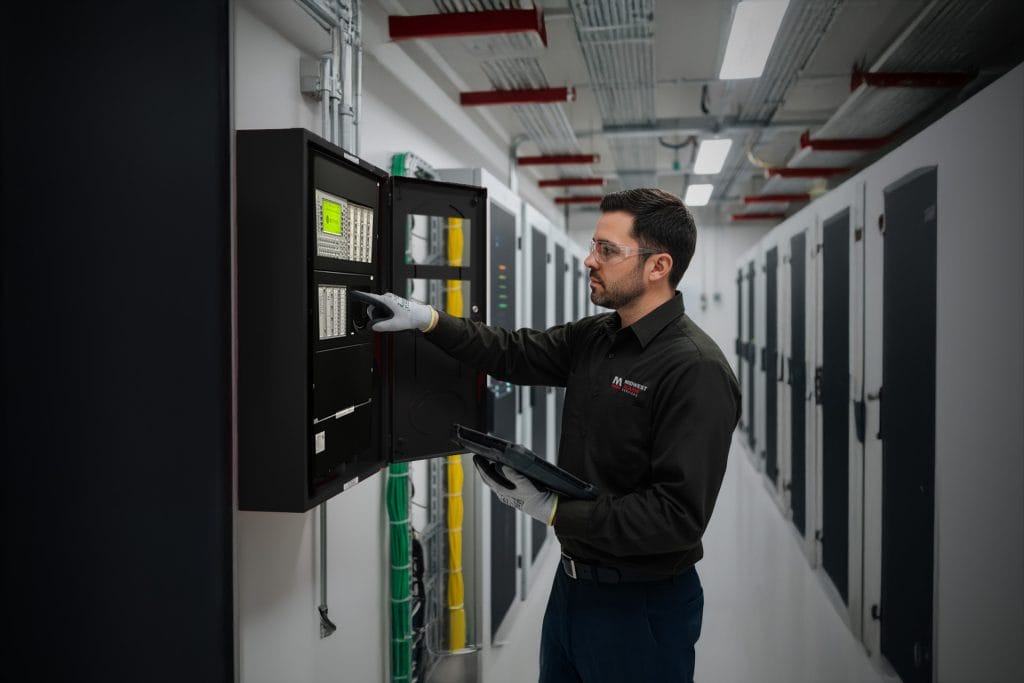
Expert deployment of all systems—Fire, Security, Sound, and Communications—performed by our in-house,
NICET-certified technicians.
The Integrated Advantage
We close the gap between design and reality, ensuring every component and every cross-system integration point is installed and rigorously tested to match your approved blueprint.
Inspection &
Maintenance
What We Provide
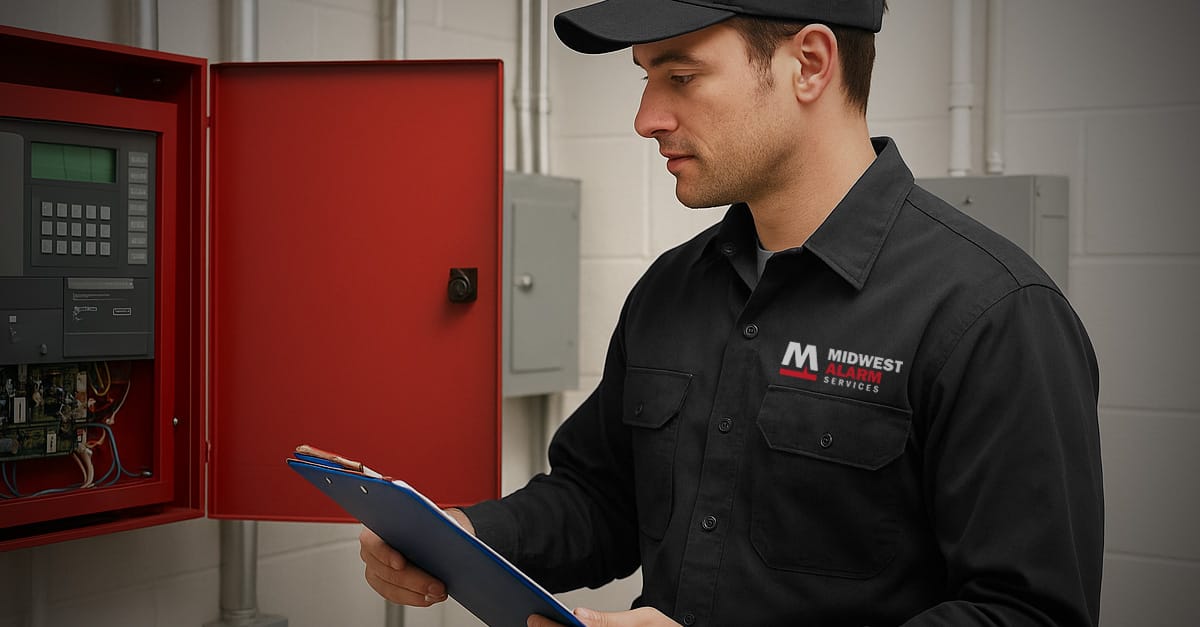
Proactive, scheduled Inspection, Testing, and Maintenance (ITM) services for all low-voltage systems, not just fire alarms.
The Integrated Advantage
We provide a single, unified service agreement to manage the long-term reliability and compliance of all your Fire, Security, and Mass Notification assets, simplifying your maintenance schedule.
24/7 Professional
Monitoring Services

What We Provide
Reliable, rapid monitoring from our UL-Listed central station for fire alarm signals, security breaches, and critical systems alarms.
The Integrated Advantage
Our centralized monitoring connects
to your entire network, ensuring that all emergency signals, from a smoke detector to an access control alert, trigger a coordinated, immediate response from a single provider.